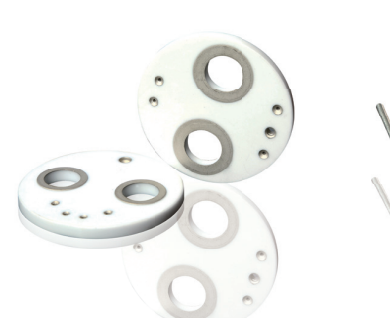
What to include in a sourcing brief
| Requirement | Information to provide |
|---|---|
| Housing drawing | Geometry, wall thickness, terminal openings, flatness and critical dimensions. |
| Joining surfaces | Metallized and unmetallized areas, surface finish and mating-metal specifications. |
| Assembly process | Joining sequence, braze or sealing method, temperature exposure and fixture constraints. |
| Insulation needs | Clearances, operating environment, dielectric and insulation-resistance test conditions. |
| Component inspection | Dimensional acceptance, surface-defect criteria, material documents and assembly leak-test requirements. |
| Sample and supply | Prototype quantity, qualification stage, forecast and packaging requirements. |
Common questions
Is the ceramic housing supplied as a complete relay?
This category covers ceramic housings and sealing interfaces. A finished relay also needs switching contacts, actuation, terminals and device-level verification.
Do housing dimensions determine the switching rating?
No. Voltage and switching-current ratings depend on the complete assembly and test conditions. Review the housing together with insulation spacing, contacts and the rest of the design.
Material properties and another design’s test results are not a rating for your assembly. Requirements belong on the agreed drawing and acceptance plan.
Plan samples and technical review ↗